

Building Your First Split-Screen Layout
Step-by-step walkthrough of creating a basic 50/50 split with HTML and CSS. We’ll cover flexbox techniques that actually work.
Read MoreMaster dual-language layouts and responsive split-screen compositions that balance English and Traditional Chinese messaging
Essential guidelines before you dive into the articles
Both halves should feel equally important. Avoid making one side dominate the composition visually or conceptually.
Design how the split transitions to single-column on smaller screens. The order matters — consider which content should appear first.
When presenting English and Traditional Chinese together, ensure font sizes and line heights work for both languages without cramping.
Split-screen layouts often benefit from complementary colors or subtle background shifts that reinforce the division without feeling jarring.
High-quality images work best on one side. Ensure images scale proportionally and maintain aspect ratio across all viewport sizes.
Thoroughly test how content reflows at different breakpoints. The collapse from 50/50 split to full-width needs to feel intentional.
In-depth guides on split-screen design and dual-language composition
Step-by-step walkthrough of creating a basic 50/50 split with HTML and CSS. We’ll cover flexbox techniques that actually work.
Read More
How to transition a 50/50 split into a single column layout. Media queries, breakpoints, and the order of content matter here.
Read More
Font pairing, sizing, and line-height considerations when combining English and Traditional Chinese. Common mistakes and how to fix them.
Read More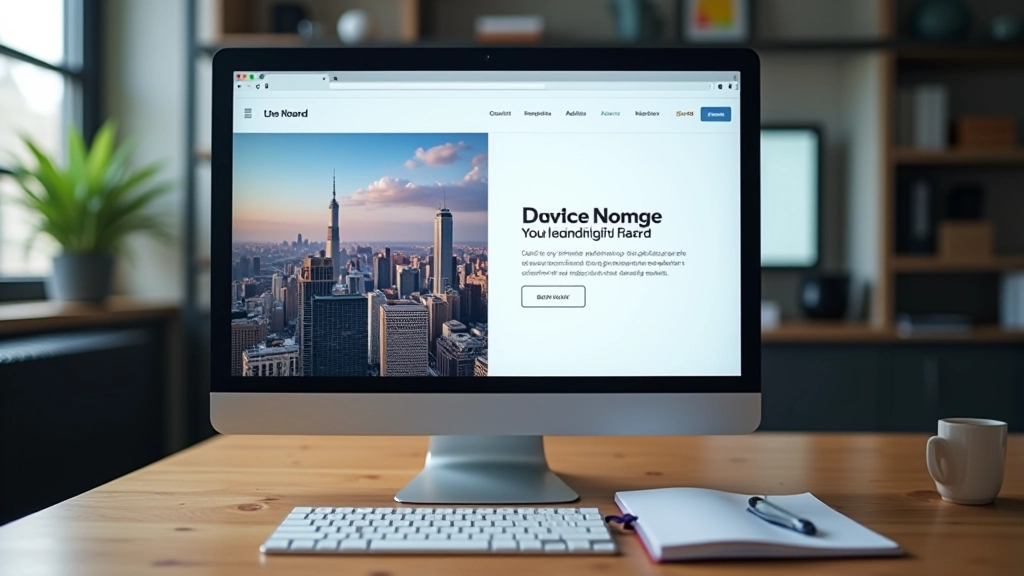
Case studies from actual Hong Kong brands using split-screen layouts. What works, what doesn’t, and why visual balance matters so much.
Read More